Complete Guide to Your First Job Interview
Getting ready for your first job interview feels like standing right in front of a new chapter in your professional life.
Butterflies in your stomach, nerves running high, and a lot of questions crossing your mind: “What should I say?”, “Am I really prepared?”, “What if they ask something I don’t know how to answer?”.
The good news is, there’s a clear path to face this challenge. And that’s exactly what this Complete Guide to Your First Job Interview is about: showing you, in a simple and accessible way, everything you need to know to shine and increase your chances of landing that job.
Why is the first interview so decisive?
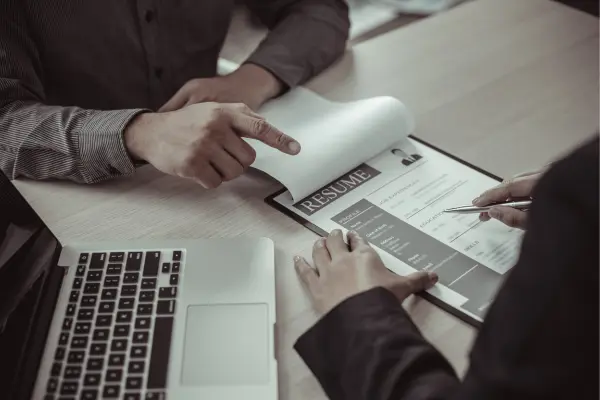
The interview is the moment when you stop being just a resume or a LinkedIn profile. It’s the time the recruiter gets to know the real you.
A strong performance can open doors to incredible opportunities, while a lack of preparation might close them.
That’s why preparation is like an investment in your future. After all, the first impression is often the one that sticks the most.
What to do before the big day
Preparation is the key word here. When we talk about a Complete Guide to Your First Job Interview, we’re talking about getting ahead of the game. Here are a few things that make all the difference:
- Research the company: understand their culture, values, and even their market position.
- Review your resume: be ready to highlight your experiences and achievements.
- Practice common questions: quick and clear answers show confidence.
- Pick the right outfit: looking sharp communicates professionalism and credibility.
These small steps transform nervousness into confidence.
On the day: small details, big results
Imagine showing up late, phone buzzing, and clothes out of place. Not great, right? That’s why these basics matter:
- Arrive 10–15 minutes early.
- Bring extra copies of your resume.
- Switch your phone off or set it to silent.
- Sit up straight and maintain eye contact.
It might sound simple, but these details can make the recruiter see you as someone reliable and ready for responsibility.
The questions you’ll probably hear
You can’t avoid them: classic questions appear in almost every interview. Being prepared is half the battle. Some of the most common are:
- Tell me a little about yourself.
- Why do you want to work here?
- What are your strengths and weaknesses?
- Where do you see yourself in five years?
The trick is to answer naturally, not like you memorized a script. Share real examples and short stories that illustrate who you are.
How to answer strategically
Answering isn’t just about telling the truth, it’s about knowing how to deliver it. If asked about weaknesses, don’t just say “I’m a perfectionist.” Bring up something real, but explain how you’re working on improving it.
When talking about achievements, go beyond vague sentences share numbers, results, and impact. That makes your answers solid and memorable.
Communication beyond words
In this Complete Guide to Your First Job Interview, body language deserves its own section. Often, it says more than words.
Confident posture, a natural smile, a firm handshake, and steady eye contact create trust. Avoid crossing your arms, staring at the floor, or overusing hand gestures these can send the wrong signal.
Yes, you should ask questions too
Interviews aren’t one-way. Asking the right questions shows genuine interest, not just desperation for a job. You can ask about company culture, the next steps in the hiring process, or growth opportunities. It signals maturity and future vision.
What to avoid at all costs
Just as important as what to do is what not to do. Some mistakes can sink your chances fast:
- Speaking poorly about past employers.
- Acting arrogant or overconfident.
- Giving vague, unfocused answers.
- Interrupting the interviewer repeatedly.
Avoiding these pitfalls keeps you in the recruiter’s good books.
How to stand out among other candidates
In today’s competitive job market, you need to stand out. Show that you’re up to date with industry trends, that you understand how you can add value, and that you’ve got ideas to bring to the table. A candidate who’s informed and prepared is always more memorable.
After the interview matters too
Many people forget this step. Once the interview is over, thank them for the opportunity. Sending a short, polite thank-you email is a nice touch. Then, reflect on your performance what went well, and what you can improve for next time.
FAQs about your first interview
What should I wear?
It’s better to be overdressed than underdressed. Opt for formal, even if the company is casual.
What if I don’t know the answer?
Be honest. Admit you don’t have experience yet, but show eagerness to learn.
Do I need prior experience to do well?
Not at all. Recruiters also value posture, clarity, and willingness to grow.
Quick checklist before leaving home
- Research the company.
- Practice common answers.
- Prepare your outfit the night before.
- Bring printed resumes.
- Arrive early.
- Keep good posture.
- Ask thoughtful questions.
- Send a thank-you afterwards.
This checklist is the backbone of the Complete Guide to Your First Job Interview and can be reviewed just before you head out.
Your first interview might feel intimidating, but with the right preparation and mindset, you can transform those nerves into an incredible opportunity.
The secret lies in being authentic, showing genuine interest in the position, and demonstrating a willingness to learn and grow.
By following this Complete Guide to Your First Job Interview, you’ll not only have practical tips at your disposal but also the confidence to present yourself as the right person for the role.
Remember: interviews aren’t just about being chosen they’re also about choosing. It’s a two-way street. You’re evaluating the company’s values, culture, and growth opportunities just as much as they’re evaluating your skills and potential.
At the end of the day, the goal is to find the right match a place where your abilities are recognized, where challenges inspire you, and where you can build a sustainable career path.
So, approach your first interview as more than a test; see it as the start of a journey. Every answer, every question, and even every mistake will serve as experience that sharpens your professional presence.
If you prepare well, stay true to yourself, and maintain focus, you won’t just get through your first job interview you’ll open the door to a future full of possibilities.